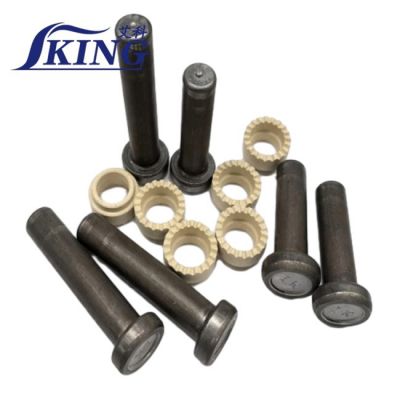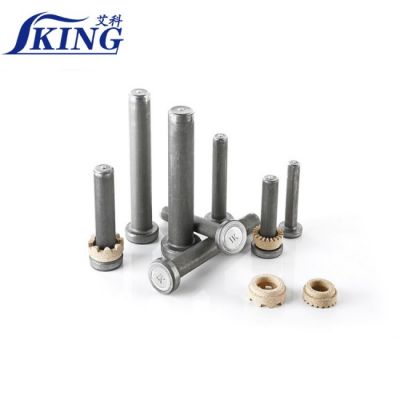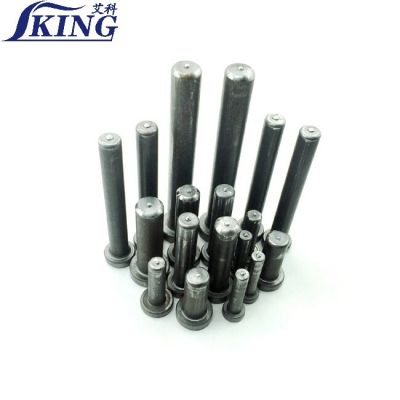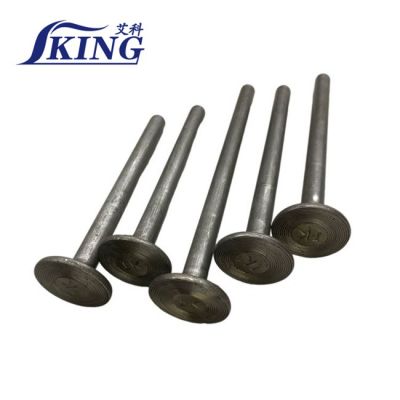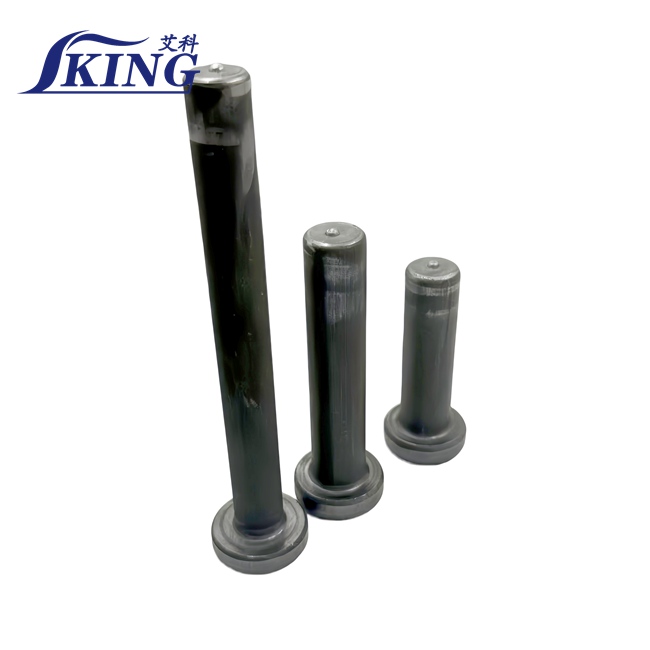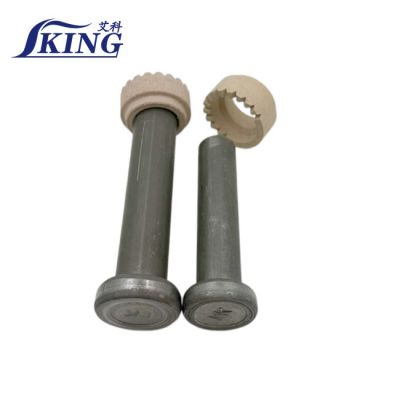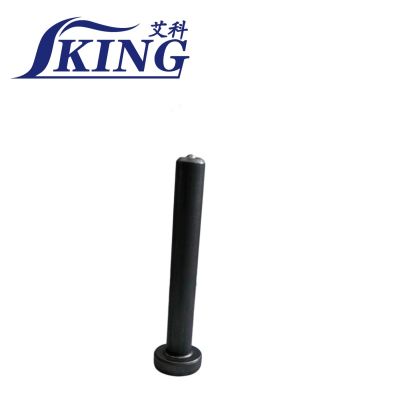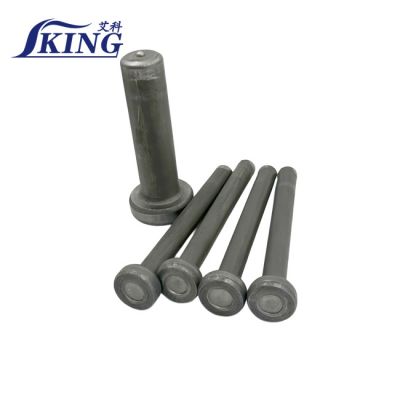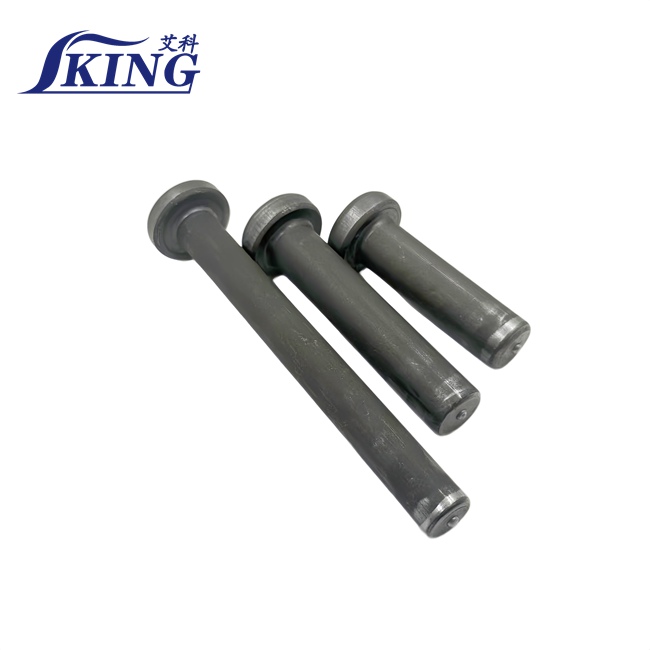
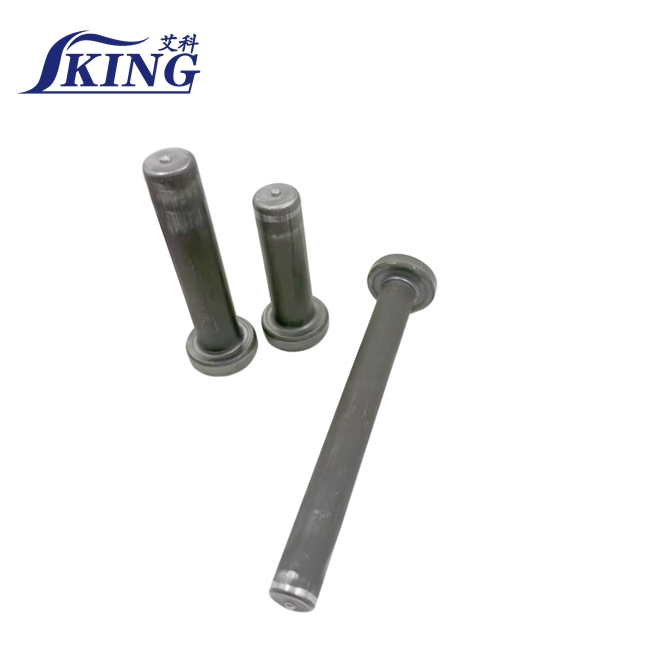
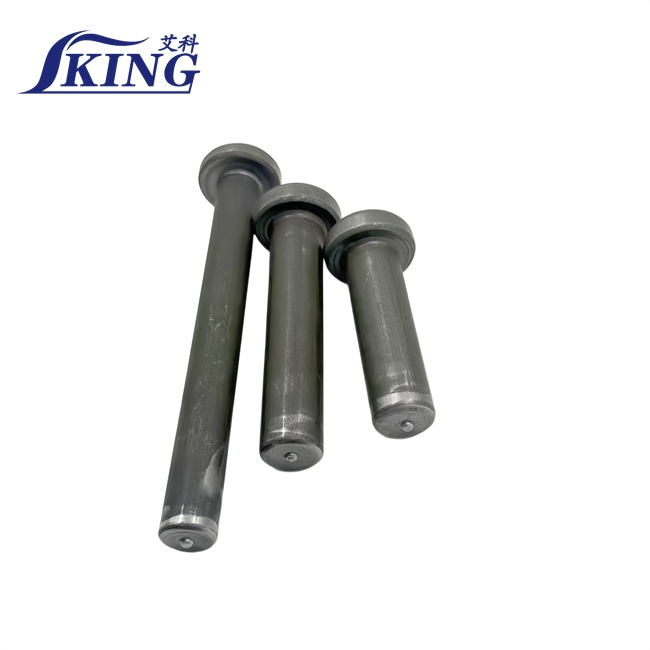
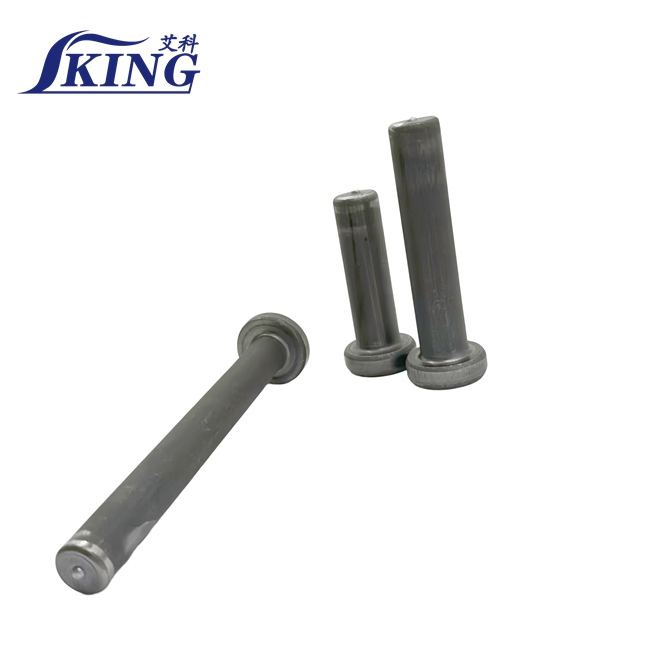
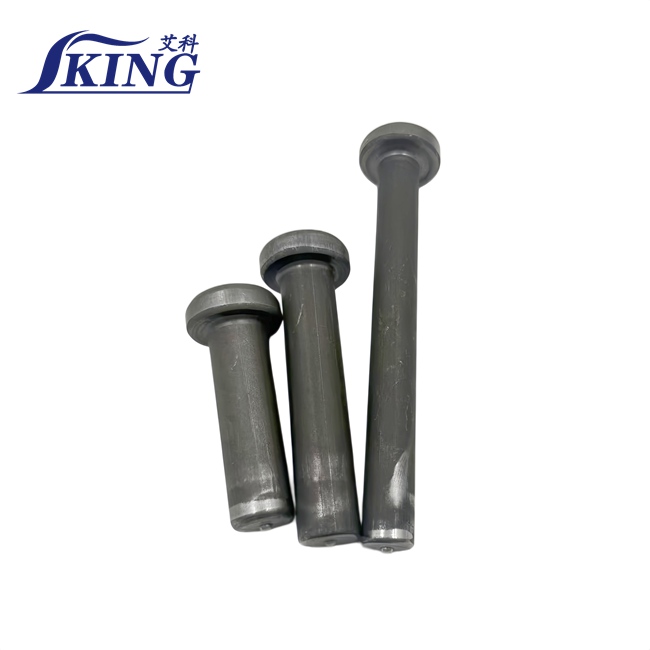
IKING EN ISO 13918 headed shear studs are high-quality mild carbon steel shear connectors designed for steel-concrete composite construction. Installed via arc stud welding with a ceramic ferrule, they deliver superior load transfer between steel beams and concrete slabs in commercial floors, bridges, and industrial structures. Custom diameters and lengths are available to meet specific project requirements.
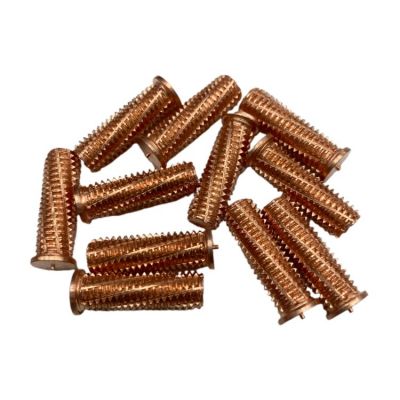
Headed shear studs are welded shear connectors used to join steel beams, steel decks and concrete slabs in composite construction. These shear studs transfer horizontal shear forces at the steel-concrete interface, reduce relative movement and allow both materials to act as one unified structural system. Manufactured to EN ISO 13918 from mild carbon steel, the headed shear studs are installed by arc stud welding with a matching ceramic ferrule and are widely used in composite floors, bridges, car parks and industrial frameworks.
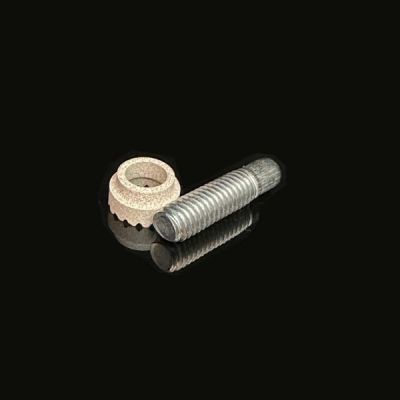
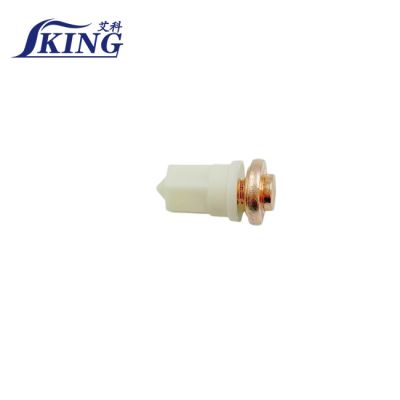
The headed shear stud is placed vertically against the steel beam or deck, and a ceramic ferrule is set around the weld zone to shield the arc and molten pool.
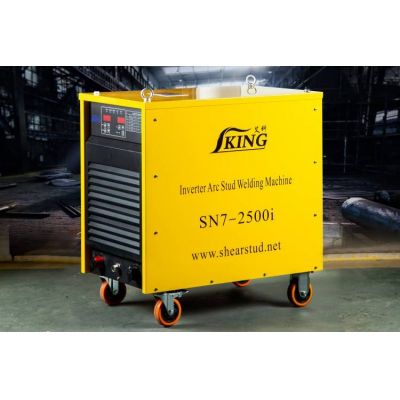
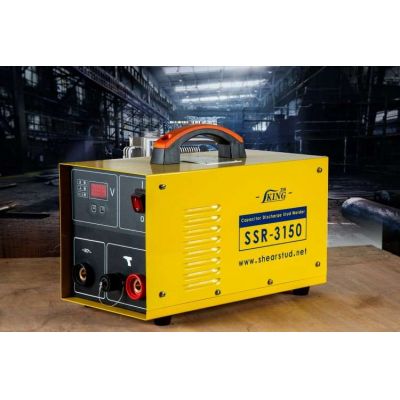
Arc stud welding fuses the stud base to the steel substrate. The ferrule concentrates the arc, supports the pool and shapes the weld collar around the stud root for a consistent, high-strength bond.
After concrete is cast around the stud, the headed anchor resists horizontal slip between steel and concrete, distributing loads and enabling the composite section to act as one structural system.
IKING shear connectors are manufactured from mild carbon steel for good weldability and stable mechanical performance. The range covers diameters from 13 mm to 25 mm, with standard lengths of 80 mm, 100 mm, 120 mm, 150 mm and 200 mm; custom lengths can be produced to customer drawings or technical requirements. The plain finish keeps direct contact between the stud and the surrounding concrete.
| Item | Headed Shear Stud |
|---|---|
| Material | Mild carbon steel |
| Diameter Range | 13 mm–25 mm |
| Available Lengths | 80 mm–200 mm, custom lengths supported |
| Surface Condition | Plain finish, no coating |
| Welding Method | Arc stud welding, with matching ceramic ferrule |
| Application Matching | Steel-concrete composite connection |
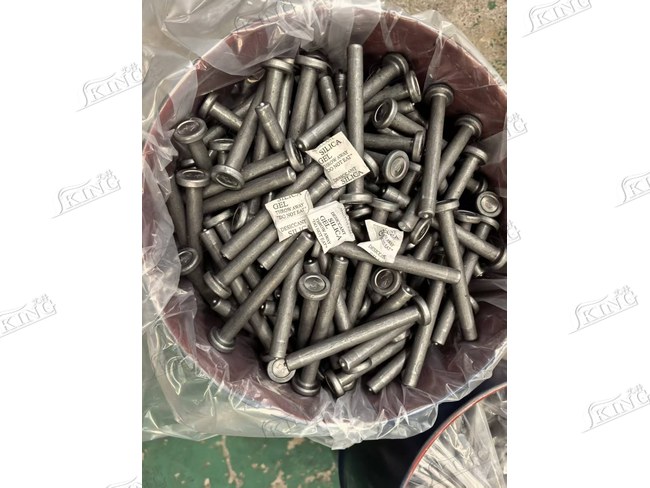
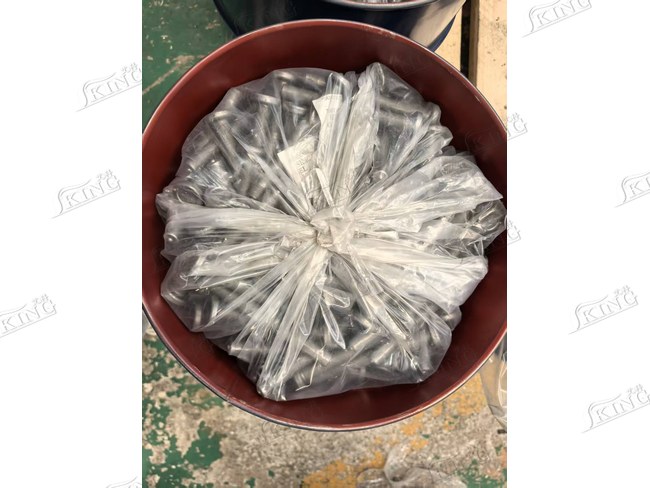
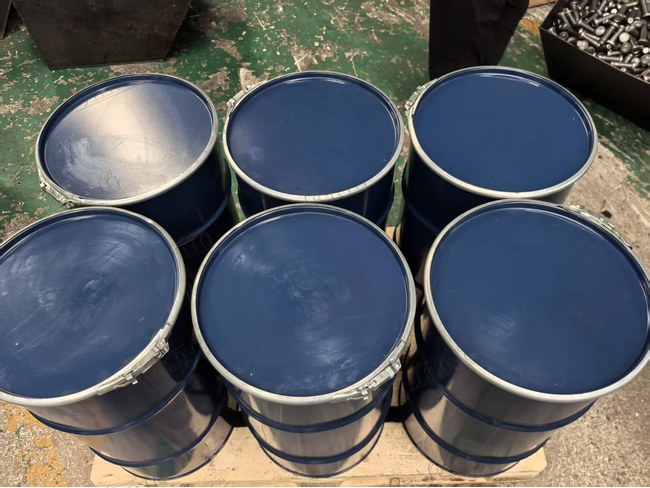
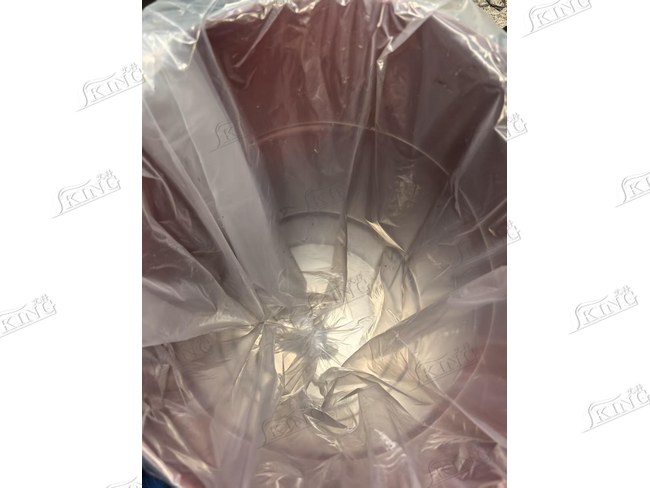
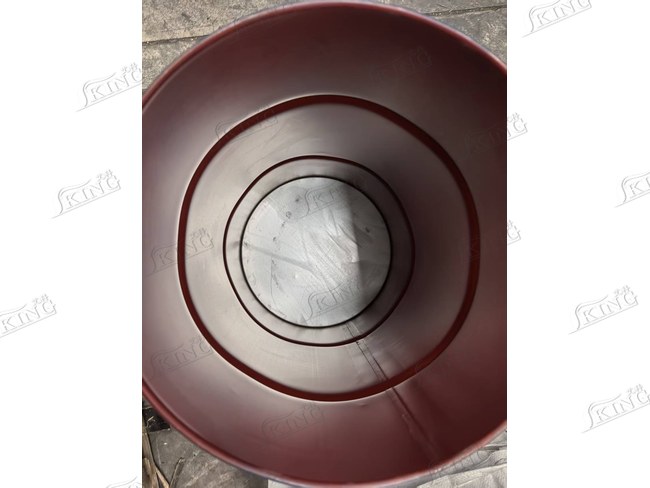
| Packing | Steel drums with moisture-proof liner and desiccant; carton and wooden pallet options for export |
These shear studs are commonly used in steel-concrete composite construction. In commercial composite floors they connect steel beams to concrete slabs and improve floor stiffness and load-bearing capacity. They are also widely used in steel-concrete composite bridges and viaduct decks, transferring shear between girder and concrete deck to distribute loads more evenly. Further applications include multi-storey car parks, industrial warehouses, steel frame workshops and prefabricated building modules.
They act as shear connectors in steel-concrete composite structures, transferring shear forces between steel beams and concrete slabs and resisting relative slip at the interface.
By arc stud welding, with a matching ceramic ferrule around the weld zone to protect the molten pool, reduce spatter and improve weld consistency.
Yes. Standard lengths cover 80–200 mm, and custom lengths can be discussed according to your drawings or technical requirements.
They are generally made of mild carbon steel, which offers good weldability and dependable mechanical strength for composite structures.
Yes. They are commonly used in composite bridges, viaduct decks and other steel-concrete infrastructure projects, as well as commercial floors and industrial frames.
Send the stud diameter, length, quantity and destination port. We will confirm the matching specification, packing and lead time.
Request a quotation