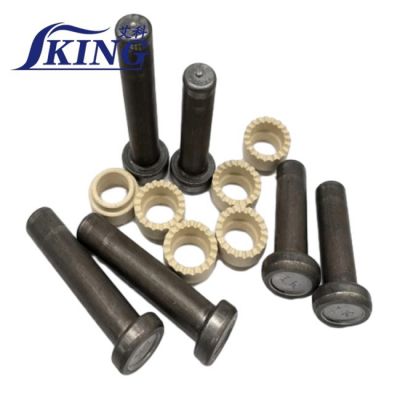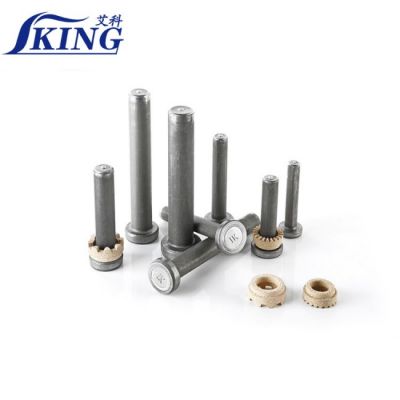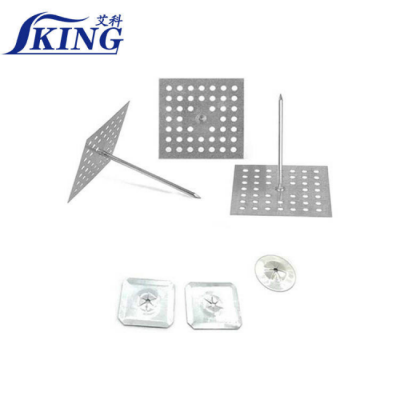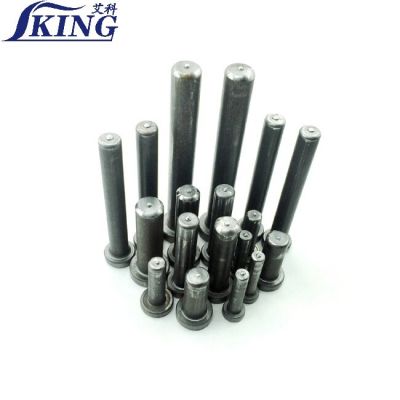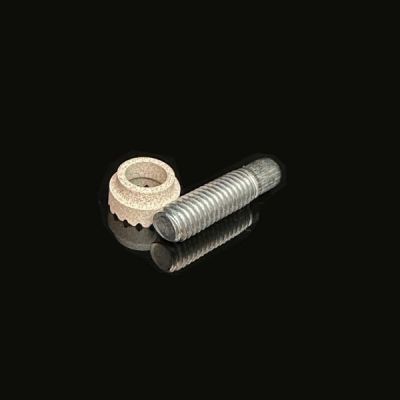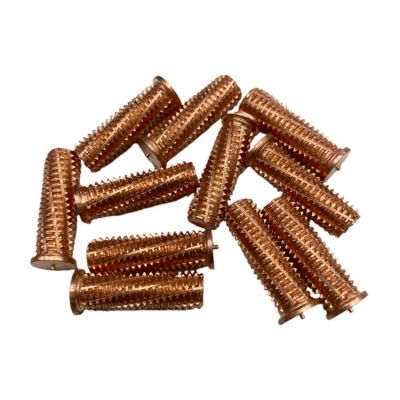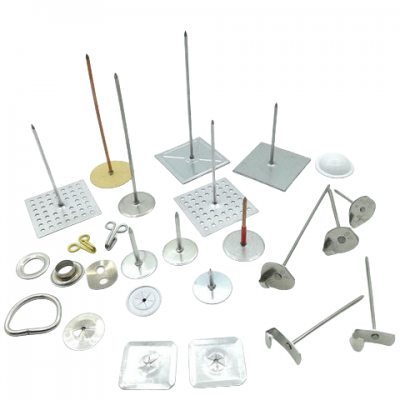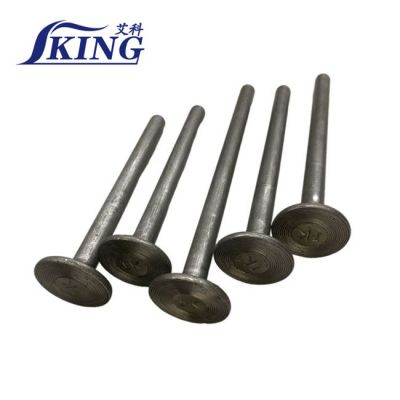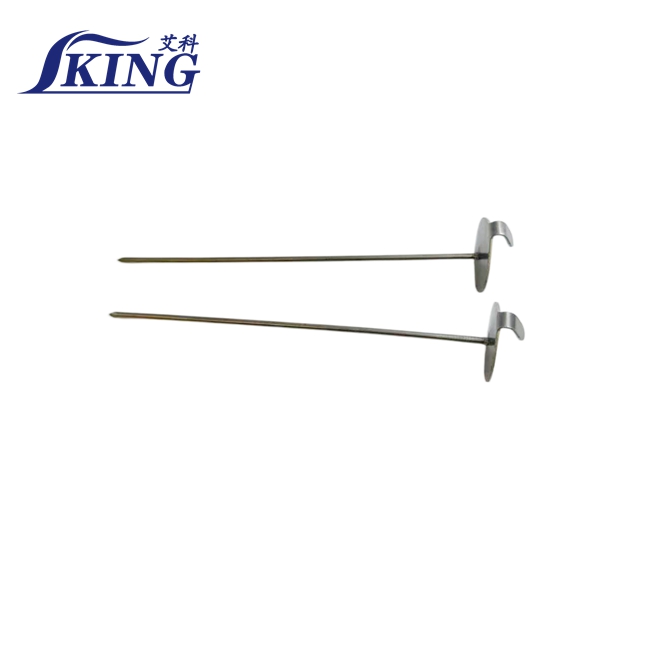
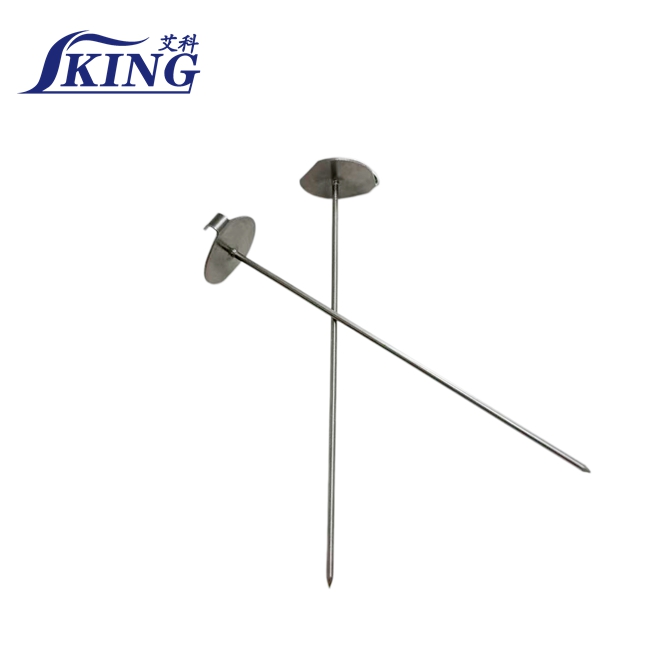
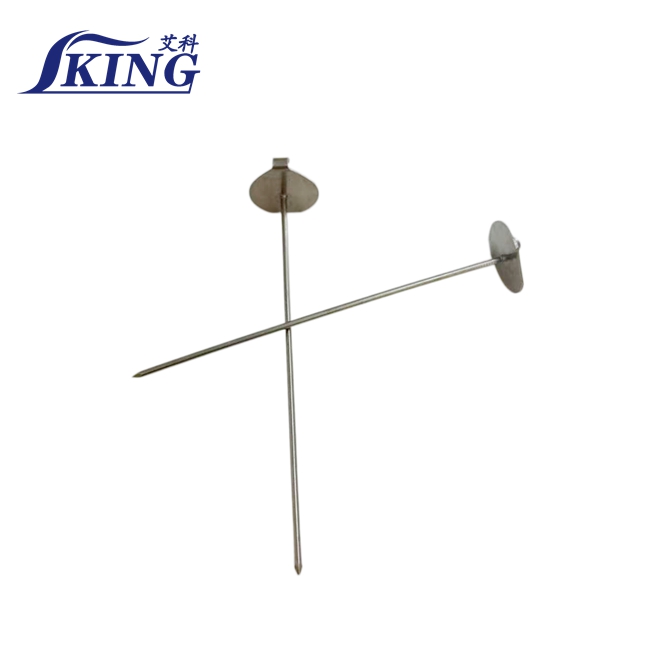
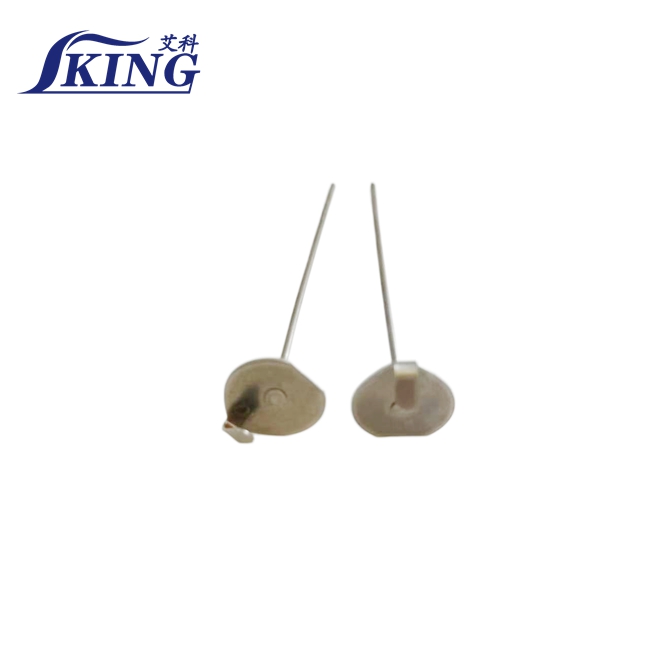
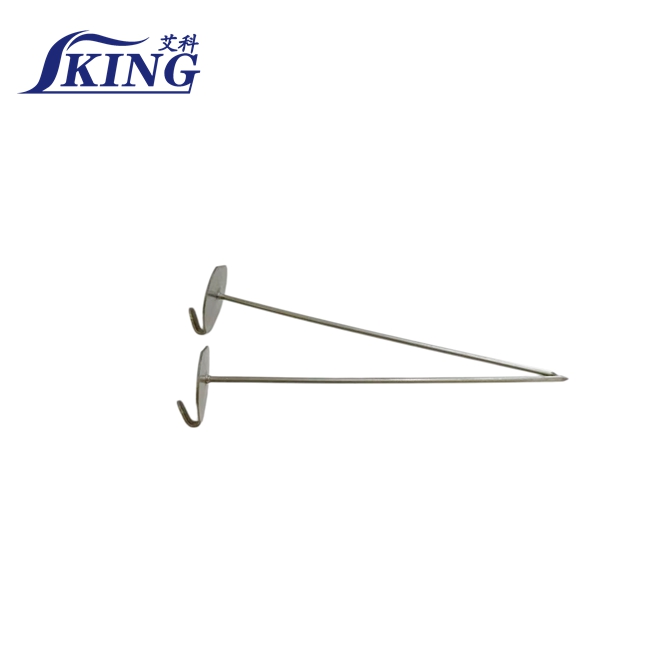
IKING Lacing Anchors are stud‑welded insulation fasteners made by China Aike Industrial Co., Ltd. Built‑in self‑locking buckle securely holds removable insulation blankets. Manufactured from stainless steel 304 or 316, they resist high temperature and vibration. Ideal for frequent disassembly scenarios, improving installation efficiency and reducing maintenance costs.
IKING Lacing Anchors are professional welding‑type insulation fixing fasteners independently developed and manufactured by China Aike Industrial Co., Ltd. Designed specially for removable insulation blankets, these lacing anchors solve the pain points of loose falling‑off and poor stability of traditional insulation fixing solutions in high‑temperature equipment scenarios.
Made of high‑quality stainless steel raw materials, the product features an integrated self‑locking buckle structure. After welding onto metal equipment surfaces, it can tightly lock insulation blankets without extra auxiliary locking washers. Compared with ordinary insulation pins, IKING lacing anchors bear stronger pulling force, resist vibration and thermal cycling, and will not get loose under long‑term high‑temperature working conditions. Every finished part goes through multi‑procedure surface treatment and strict dimensional inspection to guarantee stable mechanical performance. As a reliable insulation fixing component, it greatly improves construction efficiency for thermal‑insulation projects and reduces later‑stage maintenance costs.
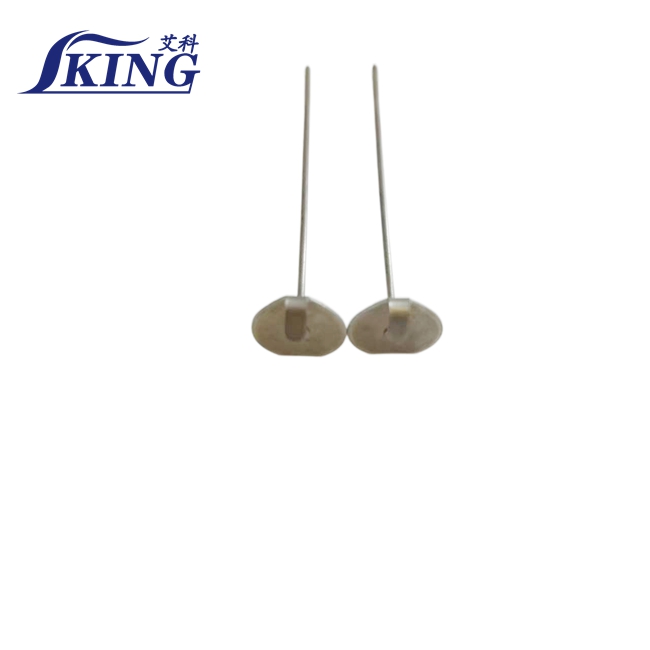
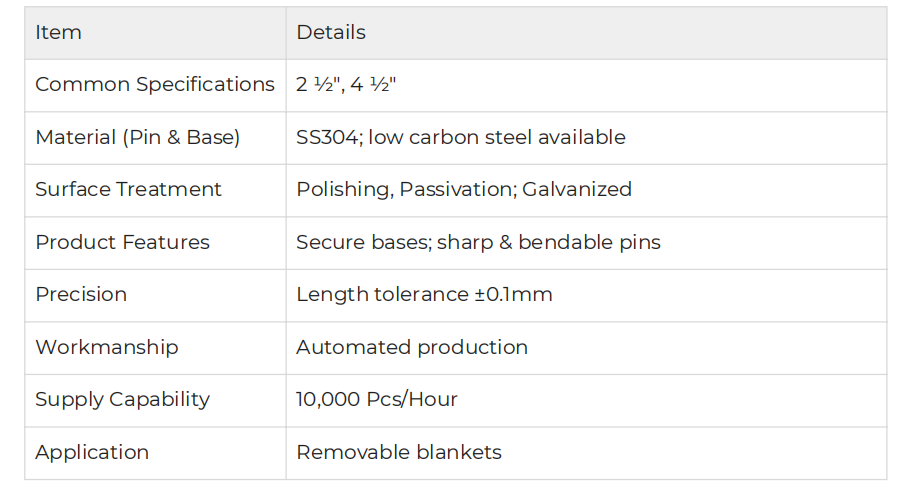
Material:Stainless steel 304 / 316
Standard shank length:50mm‑150mm
Processing: Stamped self‑lock buckle, stud welding installation
Customization: Custom lengths available per drawings or project requirements
Certification:Material test reports and batch inspection documents are available upon request
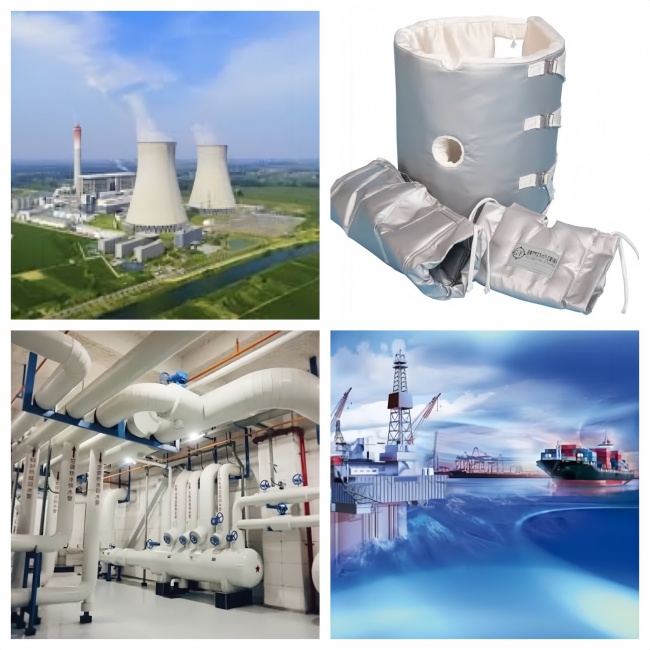
IKING Lacing Anchors are widely applied for fixing removable insulation blankets across multiple industries.
These anchors fit occasions where insulation blankets need frequent disassembly for equipment inspection and maintenance. The self‑locking structure keeps insulation layers in position during repeated dismounting, effectively lowering material loss in daily operation.
Our Company is a professional Chinese manufacturer focusing on stud welding fasteners and insulation fixing accessories, under the brand IKING. Our factory owns complete production workshops including stamping, CNC processing, surface treatment and quality‑testing laboratory.
We devote ourselves to developing and producing various insulation pins, lacing anchors, stud weld studs and related supporting accessories. Serving global B2B customers, we support OEM and ODM customization. From raw‑material incoming inspection to finished‑product delivery, every link implements strict quality control. We provide one‑stop service covering drawing confirmation, sample making, mass‑production delivery and after‑sales technical support. Our products are exported to many regions around the world, winning trust from engineering contractors, equipment manufacturers and trading partners.
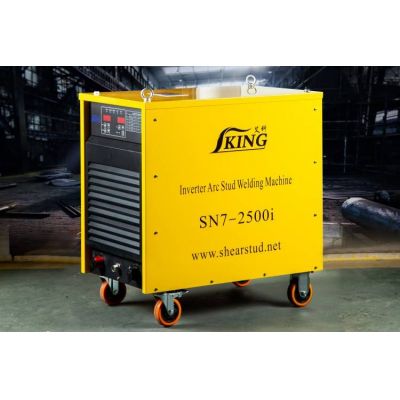
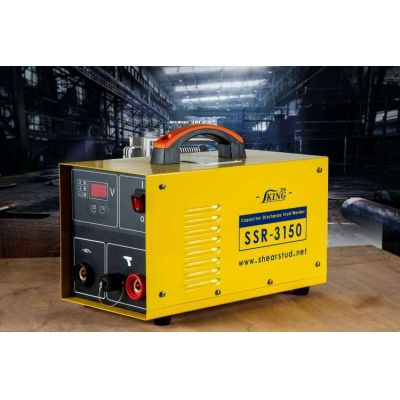
Q1: What welding equipment is suitable for IKING Lacing Anchors?
A: They are designed for stud welding machines. Standard stud‑welding equipment can complete welding installation rapidly. We can offer technical guidance for welding parameter setting.
Q2: Can I get custom‑size lacing anchors?
A: Yes. We support custom‑made shank length, material selection according to your project requirements. Please provide your drawing or detailed parameter demands.
Q3: Are samples available for testing?
A: We can supply small‑quantity samples for your performance test before bulk order. Customers need to bear the sample freight cost.
Q4: Which material should I choose for marine working condition?
A: We recommend 316 stainless‑steel version for marine corrosive environment to obtain better anti‑corrosion performance.
Q5: Is repeated disassembly allowed for these lacing anchors?
A: Yes. The self‑lock buckle structure is designed for removable insulation blankets, suitable for frequent disassembly‑and‑assembly scenarios of equipment maintenance.